If you notice water stains or dripping from your ceiling, you are likely dealing with a roof leak emergency. The most important first steps are to contain the water, avoid electrical hazards, and schedule a professional roof inspection as soon as possible. Even small leaks can quickly lead to damaged insulation, weakened wood, and interior repairs.
In Wisconsin, roof leaks often follow heavy snow, ice dams, or strong storms that stress roofing materials. Water entering your home usually means a specific part of the roof has failed and needs prompt attention. Acting early helps limit damage and makes roof leak repair more straightforward.
Is a Roof Leak an Emergency?
Yes. If water is entering your home, it should be treated as a roof leak emergency, even if it looks minor.
Once a leak starts, moisture is already moving through materials that are not designed to handle it. Water can quickly soak insulation, weaken roof decking, stain ceilings, and create conditions for mold growth. What starts as a small drip can turn into a much larger repair if it is not addressed quickly.
If water is inside your home, the situation is already urgent, even if the leak seems small.
Leaks that appear after rain, snow melt, or high winds are especially important to act on. These situations often point to damaged shingles, failed flashing, or other roofing components that need repair, not just normal wear over time.
Common Signs of an Active Roof Leak Inside Your Home
Roof leaks do not always show up as obvious damage right away. In many cases, the signs start small and become more noticeable as moisture continues to spread.
- Dripping water from the ceiling: Active dripping is one of the clearest signs of a roof leak. Even occasional drops mean water is finding a path into your home and should be addressed quickly.
- Brown or yellow ceiling stains: Discoloration often appears before active leaks. These stains can grow over time as moisture builds up behind drywall.
- Bubbling or peeling paint: Moisture trapped beneath the surface can cause paint to lift, bubble, or crack. This is a common early sign of ceiling water damage.
- Musty or damp odors: A persistent damp smell can indicate hidden moisture in insulation, drywall, or attic spaces, even if no visible water is present yet.
- Wet insulation or darkened wood in the attic: If you can safely access your attic, damp insulation or stained wood often points directly to where water is traveling through the roof system.
Catching these signs early can help limit interior damage and make roof leak repair more manageable.
What to Do Right Away When You Notice Water Inside
- Contain the Water Immediately
Place a bucket, pan, or container under any drips. If water is spreading, use towels to absorb moisture and protect flooring and nearby surfaces. - Move and Protect Your Belongings
Clear furniture, rugs, and valuables from the affected area to prevent additional damage. - Avoid Electrical Hazards
If water is near light fixtures, outlets, or wiring, stay clear of the area. Shutting off power to that section of the home may be necessary for safety. - Do Not Attempt to Access the Roof
Climbing onto a roof during rain, snow, or icy conditions is dangerous and can make the problem worse. - Document the Damage
Take clear photos of the leak and any interior damage. This can be helpful for insurance claims, especially after storms. - Schedule a Professional Roof Inspection
A roofing professional can identify the source of the leak and recommend the right repair before the damage spreads further.
Taking these steps right away helps limit how far water can spread and reduces the risk of more serious interior damage. It also gives a roofing professional a clearer picture of what is happening when they arrive. The sooner the situation is under control, the easier it is to identify the source and complete the repair.
Why Water Spots Often Appear Far From the Actual Roof Leak
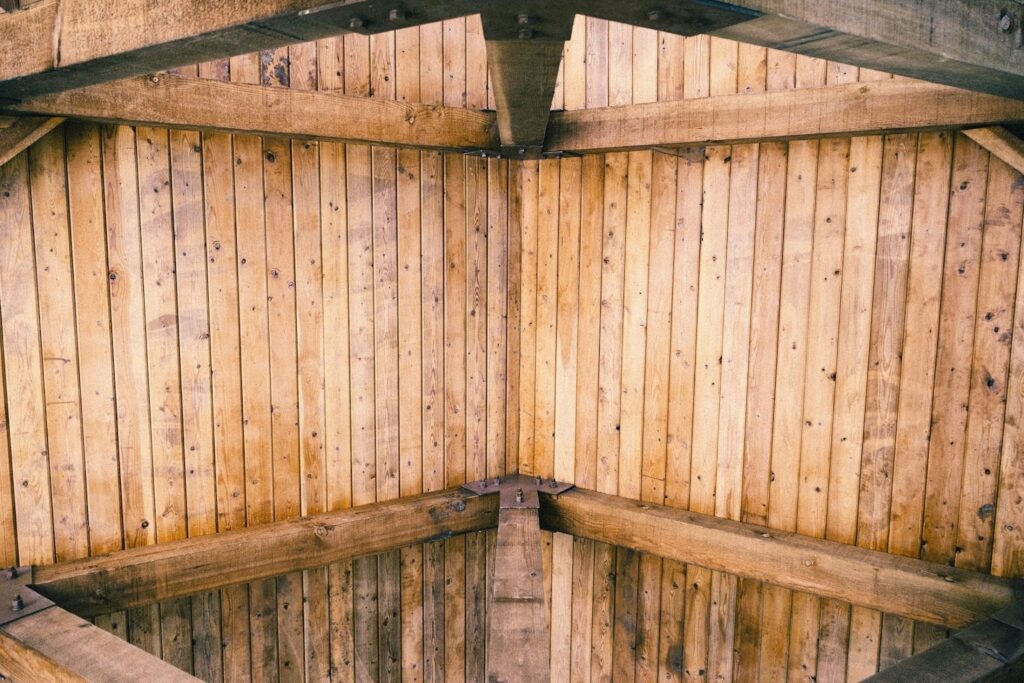
Water stains can be misleading because the spot you see inside your home is often not where the leak actually started. Once water gets beneath roofing materials, it does not come straight down. Instead, it moves through the structure, traveling along roof decking, rafters, and insulation before it finds a place to show up.
The visible stain is often several feet away from where water first entered your roof.
This is why patching the area directly above a ceiling stain often fails. Without tracing how water is moving through the roofing system, the true entry point can be missed entirely. A proper inspection focuses on following that path back to the source so the repair actually solves the problem.
Temporary Steps That Can Help Limit Interior Damage
When water is entering your home, there are a few temporary steps that can help reduce immediate damage. These actions are meant to control the situation, not fix the underlying issue.
1. Catch and contain active drips
Placing buckets or containers under leaks helps prevent water from spreading across floors and damaging nearby surfaces.
2. Improve airflow in damp areas
Opening windows or using fans can help dry out affected spaces and reduce moisture buildup.
3. Remove soaked materials if safe to access
Wet insulation or saturated materials can hold moisture and worsen damage if left in place.
4. Avoid temporary sealants or patch attempts
Caulk, tar, or quick fixes rarely stop the leak for long and can make proper roof leak repair more difficult.
These steps can help limit damage in the moment, but they do not stop the leak or address the source.
Common Causes of Sudden Roof Leaks
Roof leaks do not always mean your roof is failing entirely. In many cases, the issue comes down to a specific component that has been damaged, worn, or exposed after weather events.
- Damaged or lifted shingles: Wind can loosen or lift shingles, exposing the underlayment beneath. Once that protective layer is compromised, water can begin working its way into the roof system.
- Flashing failures around penetrations: Chimneys, vents, and skylights rely on properly installed flashing to stay watertight. When flashing cracks, separates, or corrodes, it creates an easy entry point for water.
- Worn or cracked pipe boots: The rubber boots that seal around vent pipes can dry out and crack over time. These small openings are a common and often overlooked source of roof leaks.
- Ice dams forcing water under shingles: In Wisconsin, ice dams can trap melting snow on the roof. This forces water back under shingles, where it can seep into the home.
- Hidden storm damage: Not all damage is visible from the ground. Hail, wind, or debris can weaken roofing materials in subtle ways that lead to leaks days or weeks later.
Most roof leaks are caused by a single failed component, not the entire roofing system.
Because these issues are often small and hard to spot, identifying the true cause usually requires a closer look. This is where knowing when to bring in a local roofing professional becomes important.
When to Call a Roofing Professional for a Leak
If water is actively entering your home, it is time to call a roofing professional. Waiting to see if the leak stops on its own often leads to more extensive interior damage and more complicated repairs. Even small leaks can spread quickly once moisture gets into insulation and structural materials.
It is also a good idea to reach out if leaks return after each storm, ceiling stains continue to grow, or your roof has not been inspected in several years. These are signs that the issue may not be isolated and could point to a larger problem within the roofing system.
In many cases, the source of a leak is not obvious from the surface. Finding where water is actually entering requires a detailed inspection and an understanding of how roofing components work together. Knowing when to bring in a professional can make the difference between a simple repair and a much larger project.
What a Professional Roof Leak Inspection Involves
A professional roof leak inspection goes beyond what is visible from the ground or inside your home. The goal is to identify not just where the damage appears, but where the leak actually begins.
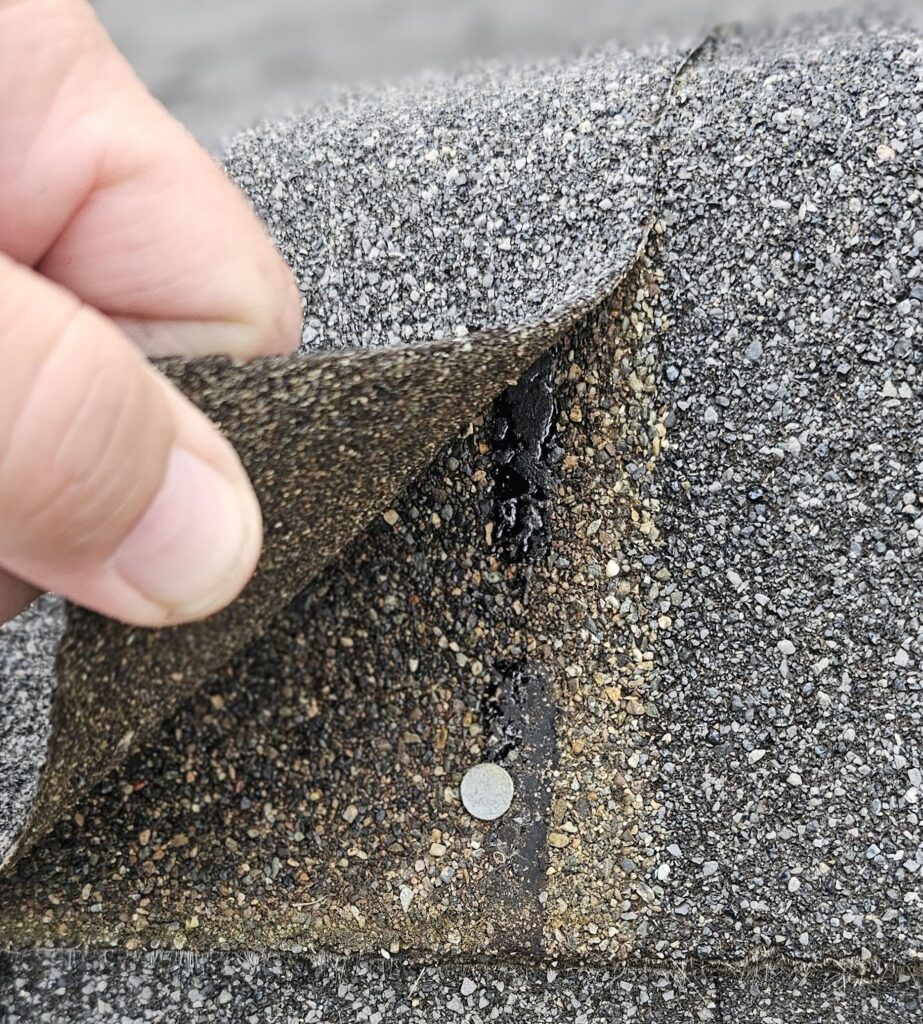
During an inspection, roofing components like shingles, flashing, vents, and other penetrations are carefully evaluated for signs of failure. The attic is also checked for moisture patterns, insulation issues, and evidence of how water is moving through the structure. These details help pinpoint the true source of the leak rather than just the symptoms.
A proper inspection focuses on finding the origin of the leak, not just the visible damage.
You should expect clear communication throughout the process, along with photos when possible and a straightforward explanation of what needs to be repaired and why. This helps you make informed decisions without guesswork.
How Roof Leak Repairs Are Typically Handled
Roof leak repair is not one-size-fits-all. The right solution depends on how the leak started, how far it has spread, and what condition the rest of the roof is in.
Here’s how professionals typically approach it:
- If the issue is isolated:
A targeted roof leak repair is usually the best option. This can include replacing a few damaged shingles, repairing flashing, or sealing a specific entry point where water is getting in. - If the leak is caused by storm damage:
Emergency roof repair may be needed to stop active water intrusion. Documentation from the inspection can also help support an insurance claim. - If multiple components are failing:
When leaks are tied to broader wear, the focus may shift from a simple roof leak fix to evaluating larger sections of the roof. - If the roof is nearing the end of its lifespan:
Repairs may still be possible, but longer term planning becomes part of the conversation to avoid repeated issues.
The goal is always to fix the source of the leak and prevent it from coming back, not just patch the symptoms.
How to Reduce the Risk of Future Roof Leak Emergencies
Roof leaks cannot always be prevented, but they can often be caught early before they turn into urgent problems. In many cases, the difference comes down to how often the roof is checked and how quickly small issues are addressed.
Regular roof inspections, especially after major storms, help identify damage that may not be visible from the ground. Keeping gutters clear and ensuring proper drainage also plays a key role in preventing water from backing up and working its way under roofing materials.
Most roof leak emergencies start as small, manageable issues that were not caught in time. Staying proactive with maintenance and minor repairs helps reduce the chances of unexpected leaks and keeps your roof performing the way it should.
Get Help With a Roof Leak Before Damage Spreads
If you are seeing water stains, dripping, or signs of ceiling damage, it is time to have your roof evaluated. What starts as a small leak can quickly lead to more extensive repairs if it is left unaddressed. Lake Effect Roofing brings more than 40 years of construction experience to every roof inspection and roof leak repair, serving homeowners across Madison, WI and nearby areas with clear communication and practical solutions.
Call our local roof leak experts at (608) 400-5512 to schedule your roof inspection today.