Spring is one of the best times for a roof inspection in Wisconsin. As snow melts and temperatures rise, the winter damage that has been hiding under ice and snowpack finally becomes visible. Loose shingles, lifted flashing, ice dam wear, and other freeze-thaw issues are easier to spot in spring, and catching them early helps you avoid larger problems before spring rain and summer storms move in.
Wisconsin winters are hard on roofs, even ones in great shape. A spring roof inspection in Wisconsin gives you a clear view of how yours held up and a head start on any repairs your home needs before the weather shifts again.
Why Spring Is the Right Time for a Roof Inspection in Wisconsin
Spring is the natural window for a post-winter roof inspection. After months of snow cover, your roof is finally visible again, and the timing lines up with the most useful repair window of the year.
By the time spring arrives, your roof has been through dozens of freeze-thaw cycles, sustained cold, and weeks of compacted snow load. Even a well-built roof can show wear during that stretch, often in places homeowners cannot see from the ground. An early spring roof inspection catches those issues while the damage is still small. Wait too long and what could have been a minor flashing repair often becomes water inside the attic, soaked insulation, or a larger roofing project.
There is also a practical scheduling reason to act early. Roofing contractors across Wisconsin get booked up fast once severe weather season starts. Calling for a spring roof inspection in Wisconsin before the rush gives you flexibility on timing and faster access to repairs if your home needs them.
How Wisconsin Winters Affect Your Roof
Wisconsin winters bring more than cold air. Heavy snow, fluctuating temperatures, strong winds, and trapped moisture all put steady pressure on your roofing system. Understanding how these conditions cause winter roof damage helps you know what your spring roof inspection should be looking for.
Snow Accumulation and Structural Stress
Snow buildup can place a significant weight on your roof. While your roofing structure is designed to support snow loads, prolonged snow weight can still place stress on your roof’s shingles, flashing, and roof decking. As snow melts, moisture and water can also find its way into small lifted gaps that formed during winter.
Ice Dams and Freeze-Thaw Cycles
Ice dams form when melted snow refreezes along your roof’s edges, creating a barrier that traps water behind it. As more snow melts, that trapped water has nowhere to drain. It can work its way back beneath your shingles and into your home’s structure.
Over time, ice dams cause freeze-thaw roof damage that weakens shingles, underlayment, and flashing. A spring roof inspection helps catch the warning signs early, including water stains, lifted shingles, or moisture in the attic, before larger problems develop.
Strong Winds and Temperature Swings
Winter storms across Wisconsin often bring strong winds and rapid temperature swings, both of which take a toll on shingles and flashing. Wind can loosen shingle edges or shift flashing around vents and chimneys, while constant temperature changes cause materials to expand and contract, gradually breaking down sealants and adhesives.
Even minor movement at the edges of your roof can create openings for water and moisture to enter your home. These are exactly the kinds of issues a professional spring roof inspection is designed to catch before warm weather and spring storms accelerate the damage.
Trapped Moisture and Attic Conditions
Winter weather doesn’t just affect the surface of your roof. Snowmelt, condensation, and poor ventilation can all trap moisture inside your attic, where it slowly soaks into insulation and wood framing. This kind of damage often goes unnoticed until water stains appear on ceilings or musty odors develop indoors.
A thorough spring roof inspection in Wisconsin includes attic checks for damp insulation, signs of mold, and ventilation issues that may have developed over the winter. Catching these problems early protects both your roof and your home’s interior.
Signs Your Roof May Need an Inspection After Winter
Some winter roof damage is obvious. Most of it isn’t. While shingles, flashing, and roof decking can take serious wear during a Wisconsin winter, the warning signs are often subtle and easy to miss from the ground. Knowing what to look for helps you decide whether to schedule a spring roof inspection in Wisconsin sooner rather than later.
Common signs of winter roof damage include:
- Missing or cracked shingles from wind, snow weight, or freezing temperatures
- Curled or lifted shingle edges caused by repeated freeze-thaw cycles
- Shingle granules collecting in gutters, signaling surface wear
- Water stains on ceilings, walls, or attic surfaces that point to hidden leaks
- Ice dam streaks or staining along roof edges from trapped meltwater
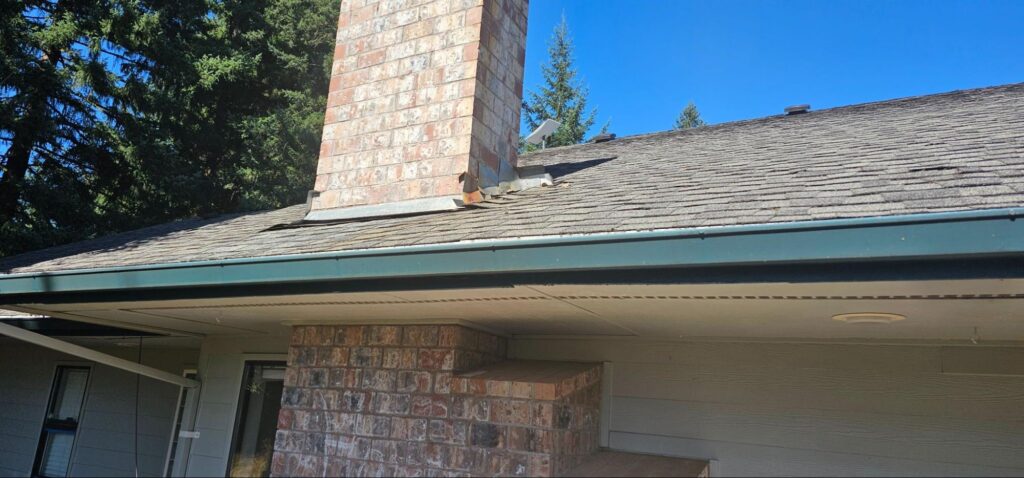
- Bent, lifted, or loose flashing near chimneys, vents, or skylights
- Sagging gutters or blocked drainage from ice buildup or debris
If you notice any of these signs, schedule a professional inspection before the damage spreads. Catching small issues early can prevent the need for more extensive roof repair down the road, and it gives you a complete picture of your roof’s condition before spring storms arrive.
Benefits of a Spring Roof Inspection in Wisconsin
Timing plays a major role in how well your roof holds up year-round. Scheduling an inspection early in the season gives Wisconsin homeowners a clear head start on protecting their roofs before warmer weather sets in.
Catches Winter Damage While It’s Still Small. A spring roof inspection in Wisconsin pinpoints the areas of your roof most affected by snow load, ice dams, and freeze-thaw stress. With more than four decades of construction experience, Lake Effect Roofing knows where to look first and how to identify problems while they’re still manageable.
Prepares Your Home for Spring Storms and Rain. Wisconsin springs bring steady rainfall, occasional hail, and high winds, all of which test how well your roof recovered from winter. Identifying loose flashing, lifted shingles, or compromised seals before that weather rolls in helps prevent leaks, water damage, and emergency repairs.
Gives You Flexibility on Scheduling and Repairs. Roofing contractors across Wisconsin get booked solid once severe weather hits. Scheduling your inspection early in spring means more flexibility on timing and faster turnaround if your roof needs any work. It also gives Lake Effect’s team the time to walk you through your options without the pressure of a storm-damaged emergency.
A post-winter inspection gives you a clear picture of how your roof handled the cold months, plus the information you need to plan ahead. It’s also a chance to think about which roofing materials hold up best in Wisconsin winters if you’re considering a future roof replacement.
How a Professional Roof Inspection Helps Prepare Your Home
A professional roof inspection is more than a walkthrough. Trained crews evaluate every component of your roofing system, looking for wear, weather damage, and small issues that often go unnoticed from the ground.
Shingles are checked for cracking, lifting, and granule loss. Flashing around chimneys, vents, and skylights is reviewed to confirm water is being directed away from vulnerable spots. Gutters and drainage paths are examined for blockages and stress damage. In the attic, ventilation and insulation are evaluated to catch moisture issues that may have developed during winter.
That kind of thorough review is the reason a spring roof inspection in Wisconsin works so well. It builds a complete picture of your roof’s condition before warm-weather problems set in.
At Lake Effect Roofing, we bring more than four decades of construction experience to every inspection. As a locally owned Wisconsin roofing company, we know what this region’s weather demands of a roof and tailor each residential roofing project to your home’s structure, performance, and long-term durability.
Spring Roof Inspection FAQs
How often should I get a roof inspection in Wisconsin?
Once a year is the baseline for Wisconsin homes, with spring being the most useful time to schedule. After major storms, hail events, or sustained high winds, an additional inspection helps catch storm damage before it turns into leaks or insurance issues.
What does a professional roof inspection include?
A professional roof inspection typically covers six core areas: shingles, flashing around chimneys and vents, gutters and drainage, attic ventilation, attic insulation, and overall roof structure. The inspector looks for both visible damage and early-stage issues that often signal larger problems ahead.
Can I inspect my own roof for winter damage?
Yes, for surface-level checks. From the ground or an upstairs window, homeowners can spot missing shingles, sagging gutters, or staining along the roofline. Anything beyond that, including walking the roof, lifting flashing, or checking the attic for moisture, should be left to a professional roof inspector for safety and accuracy.
How long does a roof inspection take?
Plan for one to two hours on a typical residential roof. Larger homes with steeper pitches, multiple chimneys, or hard-to-access attics take longer. Lake Effect Roofing typically blocks a half-day window so there’s time for a thorough review and a clear walk-through of what we find.
How often should I get a roof inspection in Wisconsin?
Once a year is the baseline for Wisconsin homes, with spring being the most useful time to schedule. After major storms, hail events, or sustained high winds, an additional inspection helps catch storm damage before it turns into leaks or insurance issues.
What does a professional roof inspection include?
A professional roof inspection typically covers six core areas: shingles, flashing around chimneys and vents, gutters and drainage, attic ventilation, attic insulation, and overall roof structure. The inspector looks for both visible damage and early-stage issues that often signal larger problems ahead.
Can I inspect my own roof for winter damage?
Yes, for surface-level checks. From the ground or an upstairs window, homeowners can spot missing shingles, sagging gutters, or staining along the roofline. Anything beyond that, including walking the roof, lifting flashing, or checking the attic for moisture, should be left to a professional roof inspector for safety and accuracy.
How long does a roof inspection take?
Plan for one to two hours on a typical residential roof. Larger homes with steeper pitches, multiple chimneys, or hard-to-access attics take longer. Lake Effect Roofing typically blocks a half-day window so there’s time for a thorough review and a clear walk-through of what we find.
Protect Your Home with a Spring Roof Inspection in Wisconsin
Winter weather puts steady pressure on every part of your roofing system, and most of the damage stays hidden until spring. Scheduling a spring roof inspection in Wisconsin is one of the simplest ways to catch those issues early, protect your home, and avoid larger repairs down the road.
If you’re ready to know exactly where your roof stands, the team at Lake Effect Roofing can help. Contact us to schedule a thorough inspection or request a detailed estimate. Call (608) 400-5512 to get started.